How to protect Hawaiʻi’s seabirds during fallout seasonSandy Harjo Livingston Fri, October 16, 2026 at 6:41 PM UTC

HONOLULU (KHON2) -- Every fall in Hawaiʻi, young seabirds make their first flight toward the ocean; but bright lights from homes, streets and businesses can lead them off course.
From Sept. 15 to Dec. 15, young petrels and shearwaters face a greater risk of becoming disoriented. They hit buildings or fall to the ground; and once grounded, they are vulnerable to cars and predators.
Seeing lots of seabirds? Here’s why, how to help injured ones
So, as you go through the next couple of months, it's important to be mindful of what you see around you. You never know when you could save a creatures life.
KHON2.com turned the Department of Land and Natural Resources Division of Forestry and Wildlife: Wildlife Program to find out everything you about this year's fallout season.
Download the free KHON2 app for iOS or Android to stay informed on the latest news
How to reduce light attraction
Seabirds use natural light to find their way out to sea, where they feed. Artificial lights can confuse them and cause them to circle lights, collide with structures or fall from exhaustion and injury.
Once on the ground, birds face additional dangers from vehicles and predators, including cats and dogs.
These Native Hawaiian birds need your help: PHOTOS
Here are a few things residents can do to help by making a few changes at home:
Turn off unnecessary outdoor lights, especially during fallout season.
Use shielded fixtures that point down and away from the beach.
Block unwanted light with shields or materials such as aluminum flashing.
Choose yellow bug lights rated at no more than 40 watts.
Use warm lights between 1,800 and 2,200 Kelvin.
Draw curtains at night to block light from windows.
Keep cats indoors and dogs indoors or on leashes.
When a bird needs help
Finding a bird on the ground does not always mean it needs rescuing. Young seabirds may sit near their nest burrows, and those without obvious injuries need to be left alone.
But if you are unsure, DLNR said to contact a wildlife center on your island.
A bird that is unresponsive, injured or in an unsafe location, such as beside a road or building, needs rescue.
So, here's what you need to do if you determine that a bird needs help:
Prepare a well ventilated box or carrier with a clean, soft cloth on the bottom.
Approach the bird from behind. Wear gloves or use a lightweight towel to gently pick it up, keeping its wings close to its body.
Place the bird inside, then keep the carrier in a quiet, dark place away from people and animals.
Do not give the bird food or water.
Call the designated wildlife contact for your island and follow instructions for transport or pickup.
If immediate transport is unavailable, keep the carrier indoors or in an enclosed garage until arrangements can be made.
Remember that you'll need to complete the DLNR Fallout Response Information Form after transporting the bird so officials can record the rescue.
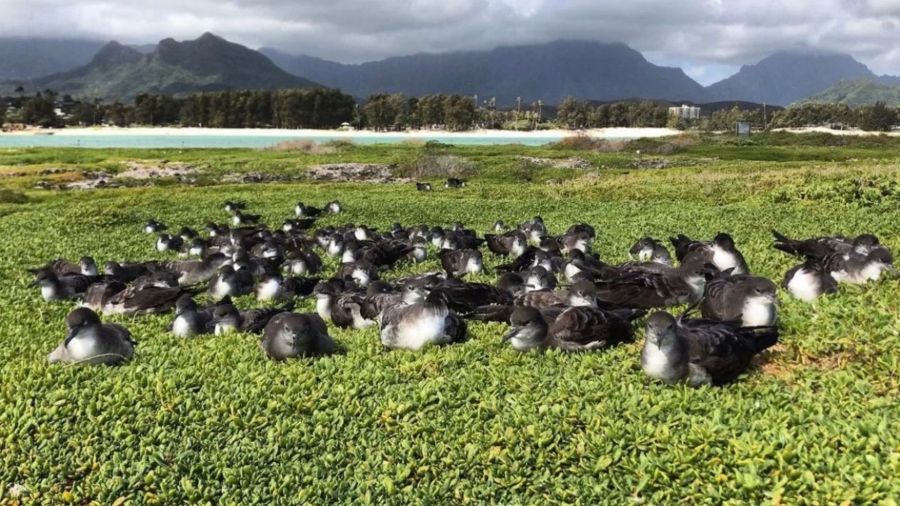
A gathering of Native Hawaiian Seabird resting on the ground. (Courtesy: DLNR)
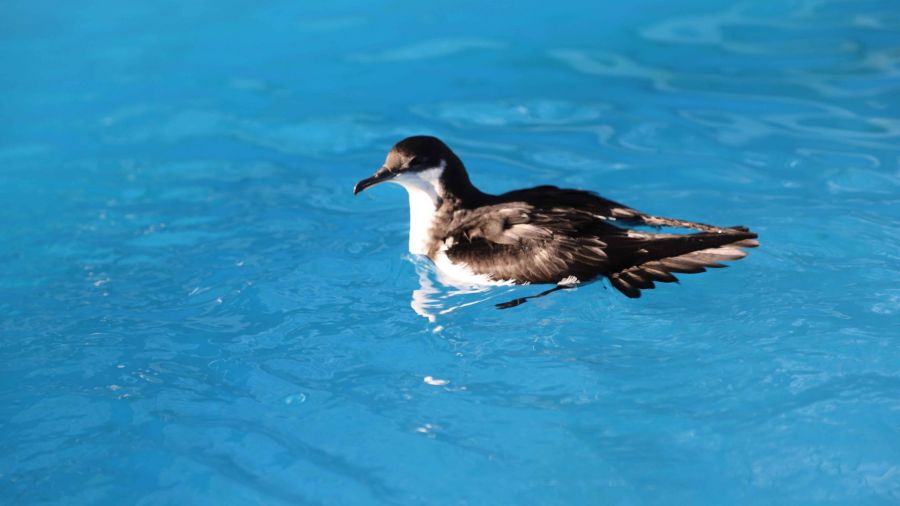
A Native Hawaiian Seabird in the water. (Courtesy: DLNR)
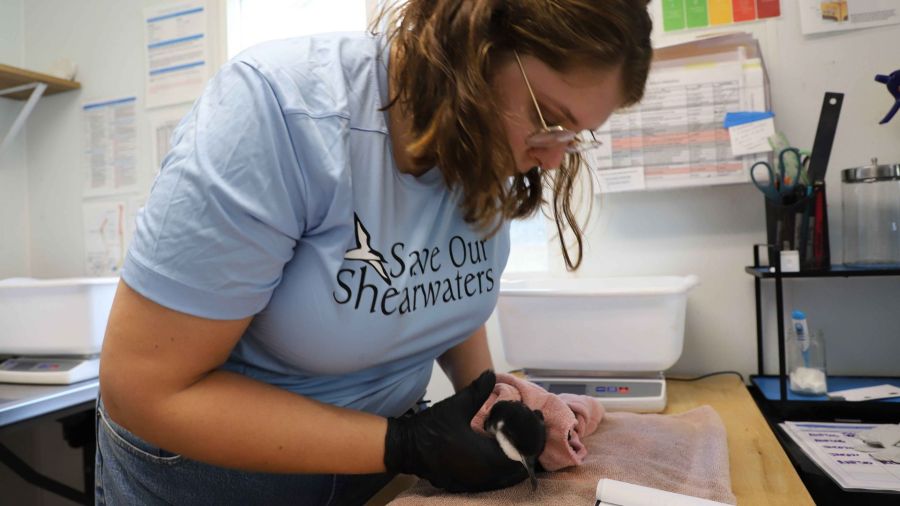
A caretaker of Native Hawaiian Seabirds inspects an injured seabird. (Courtesy: DLNR)
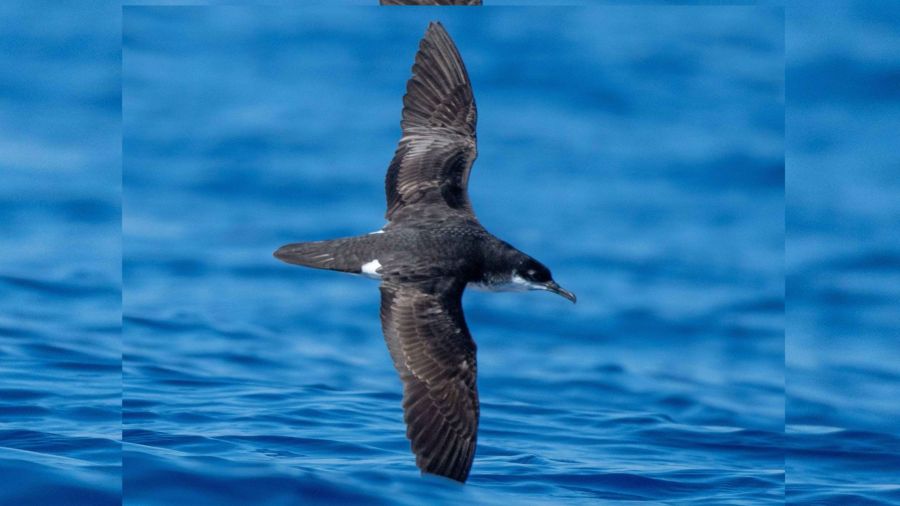
A Native Hawaiian Seabird glides above the water. (Courtesy: DLNR)
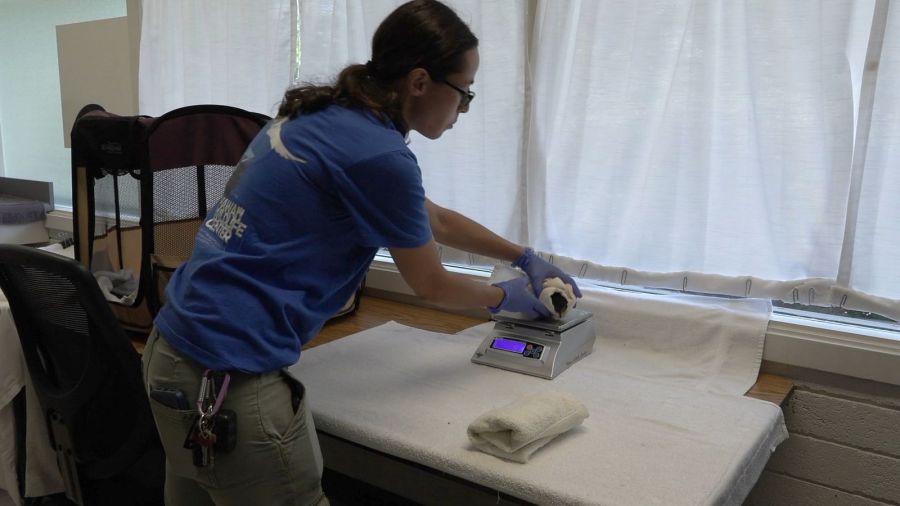
A caretaker of Native Hawaiian Seabirds inspects an injured seabird. (Courtesy: DLNR)
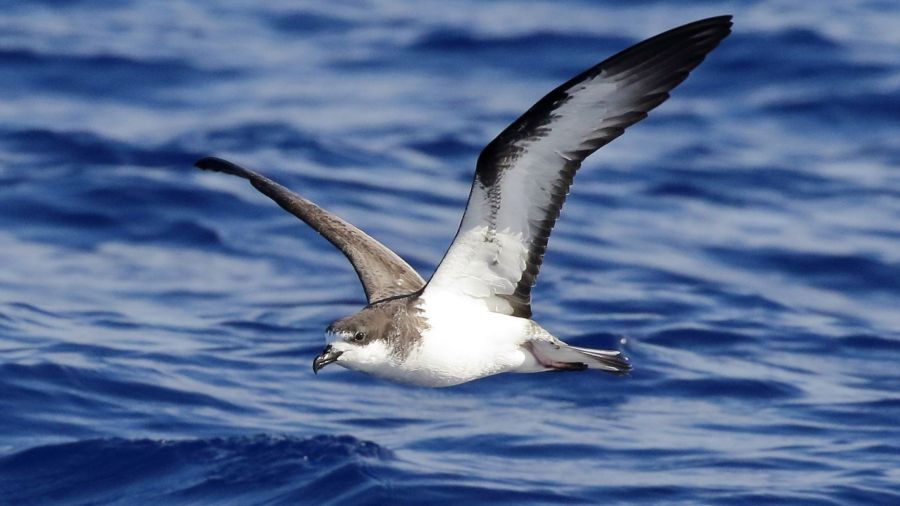
A Native Hawaiian Seabird glides above the water. (Courtesy: DLNR)
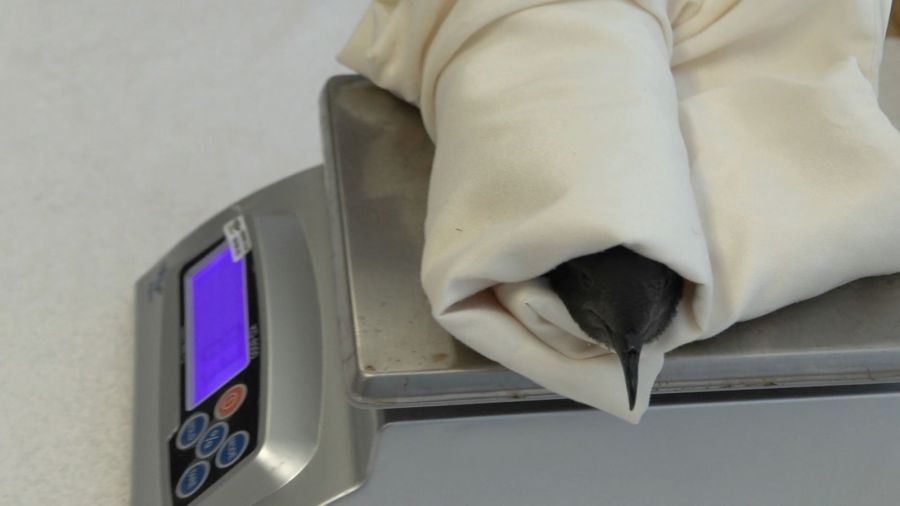
An injured Native Hawaiian Seabird wrapped in a blanket. (Courtesy: DLNR)
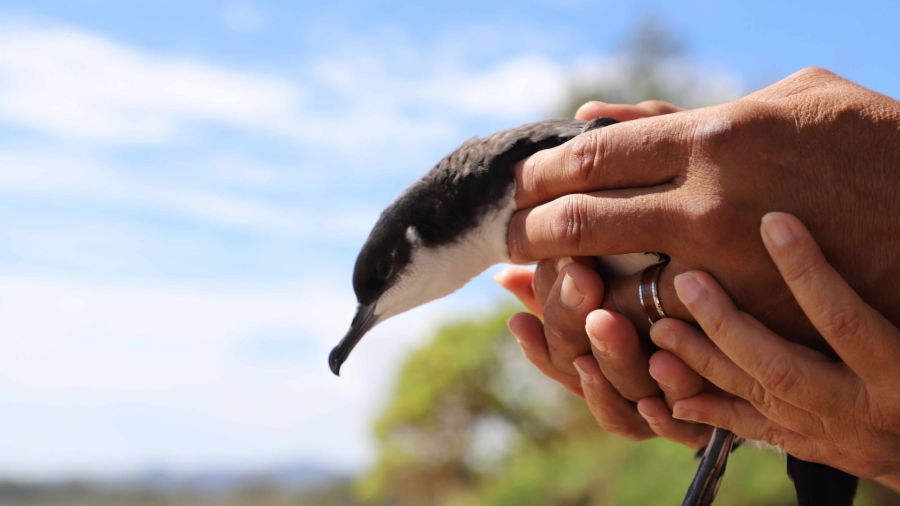
Hands holding a formerly injured Native Hawaiian Seabird about to be release. (Courtesy: DLNR)
Who to call
Use the contact information below to reach the appropriate wildlife agency or rescue organization.
Kauaʻi:
Division of Forestry and Wildlife at 808-274-3433.
Save Our Shearwaters at 808-635-5117.
Oʻahu:
Hawaiʻi Wildlife Center at 808-884-5000.
Feather and Fur Animal Hospital at 808-254-1548.
Hawaiʻi Marine Animal Response at 808-220-7802.
Maui:
Division of Forestry and Wildlife seabird line at 808-573-2473.
Molokaʻi:
Division of Forestry and Wildlife at 808-553-1745.
Lānaʻi:
Division of Forestry and Wildlife at 808-565-7916.
Hawaiʻi Wildlife Center at 808-884-5000.
Hawaiʻi Island:
East Hawaiʻi Division of Forestry and Wildlife at 808-974-4221.
West Hawaiʻi Division of Forestry and Wildlife at 808-887-6063.
Hawaiʻi Wildlife Center at 808-884-5000.
If you cannot reach someone immediately, leave a message and keep the bird in a well ventilated box in a dark, cool, quiet location without food or water. Calls after hours may receive a response the following morning.
Extra precautions around sick birds
DLNR said the H5N1 avian influenza strain has been present in Hawaiʻi, although no current infections are known. The disease has not been detected in native seabirds, and the risk of transmission to humans is low.
Even so, DLNR said people who handle birds still need to take precautions and follow health guidance.
Anyone who finds multiple dead or sick seabirds of any species need to contact the Hawaiʻi Department of Agriculture and Biosecurity at 808-483-7106 during regular business hours or 808-837-8092 after hours.
For additional instructions on safe rescues and seabird friendly lighting, click here.
Remember, we have a kuleana to malama Hawaii, and that covers all creatures who call this exceptionally unique place home.
So, a darkened porch or a carefully shielded light can make a big difference during this season. And when a seabird does end up on the ground, knowing when to leave it alone and when to call for help gives residents a clear way to support Hawaiʻi’s native wildlife.
Copyright 2026 Nexstar Media, Inc.
Source: Nature


0 Comments