How military families can keep pets during long deploymentsLucia Viti, St.
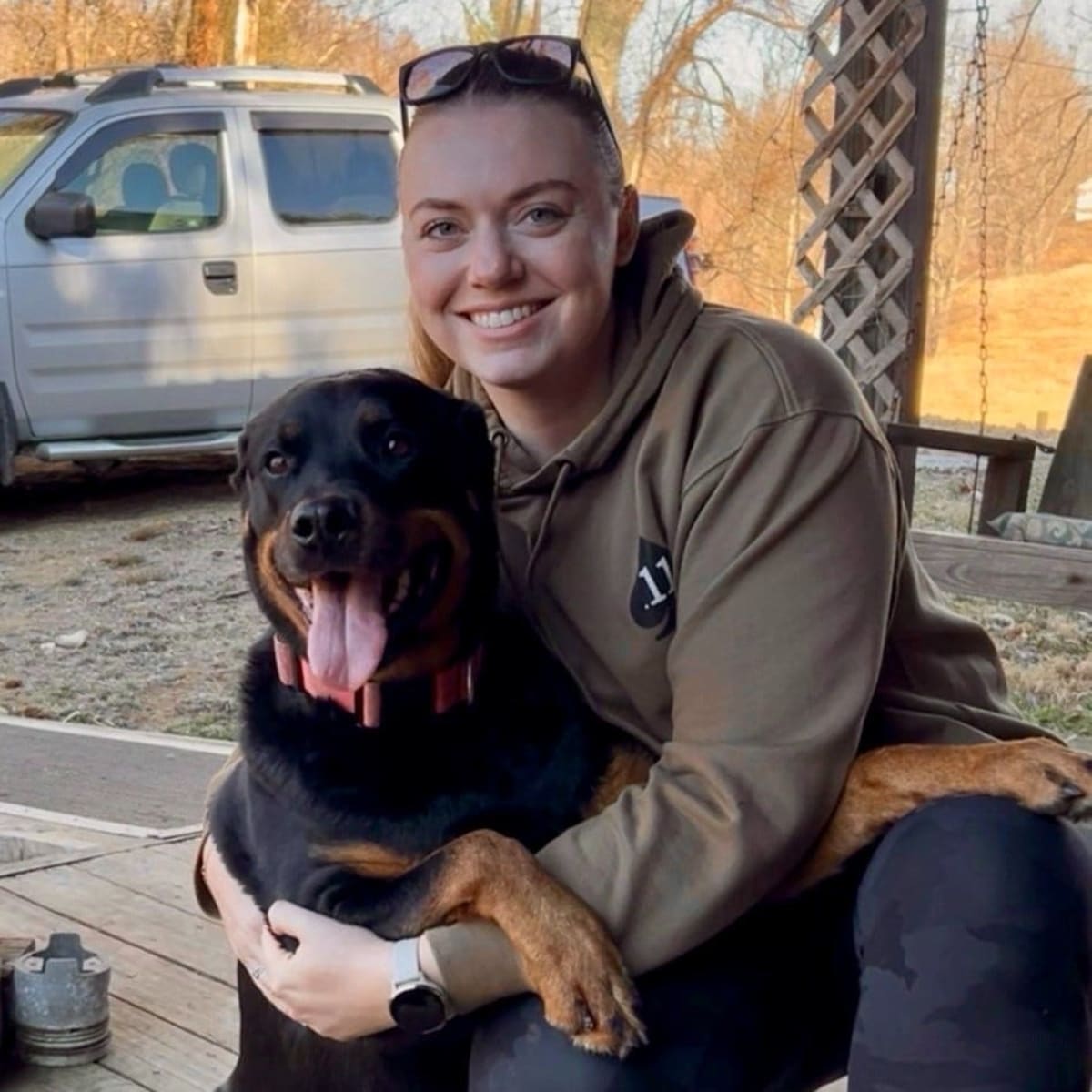
A beloved pet is undeniably a source of love, comfort and stability. The human-pet bond is often described as a relationship like no other.
For veterans and active military members, those bonds can go even further. Countless studies show that pets provide emotional stability, routine, companionship and unconditional support for veterans and family members dealing with emotional and physical war-related traumas.
And yet during overseas deployments, hospitalizations and extended war-related injury recovery periods, many military families often surrender their pets because there is no one at home to care for them.
Enter, Operation Foster, a national nonprofit that pairs pet owners facing military deployments, training assignments, PCS moves, hospitalizations and other medical crises with carefully screened volunteer foster families.
In addition to providing a safe family haven for these pets, the nonprofit helps keep them out of shelters, many of which are already overcrowded.
Gisele Barreto Fetterman, Operation Foster’s director of strategic partnerships and development, told the St. Augustine Record that America would be “surprised” at the number of pets “relinquished to shelters from military men and women forced to make such a heart-wrenching decision.”
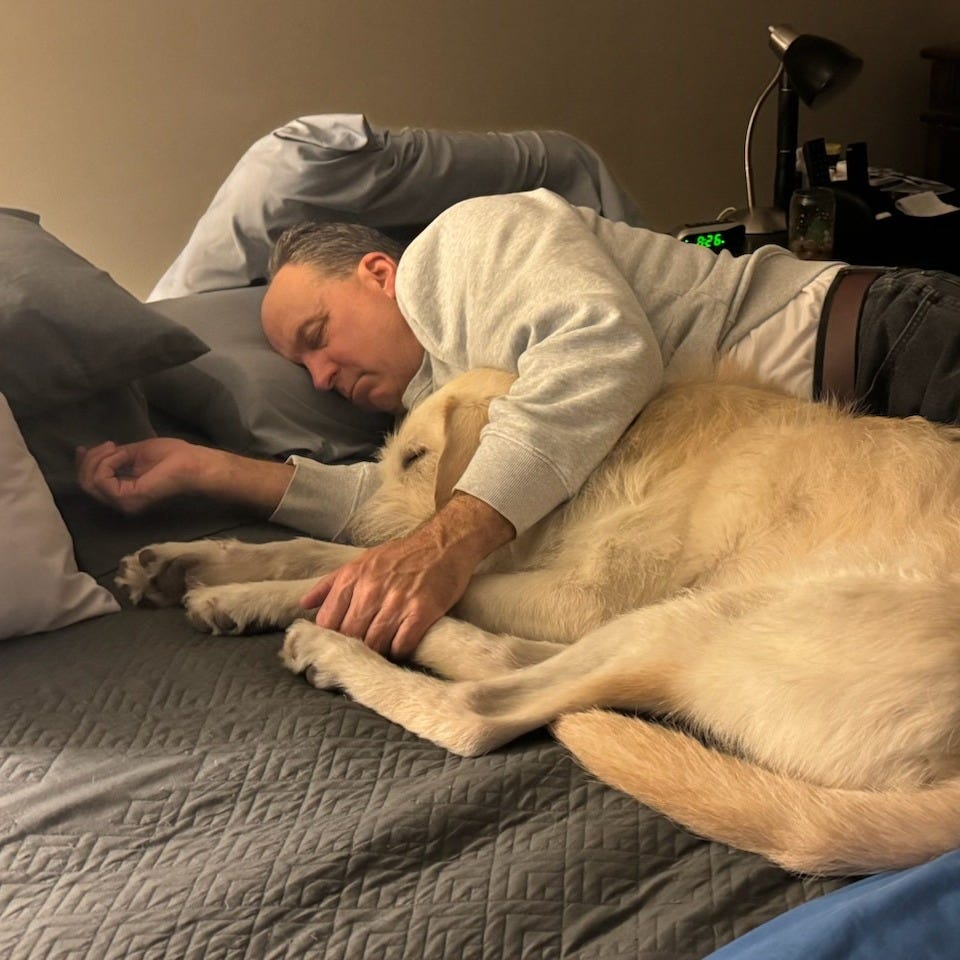
"Pets are not luxuries," she said. “For many veterans especially, they’re sources of emotional stability, routine, companionship and unconditional support during life's most difficult moments.”
Fetterman underscored that many American veterans, active-duty service members are forced to “lose their beloved pet in order to seek medical and often emotional care and treatment for PTSD.”
“Rather than surrendering pets to shelters, owners can place them in carefully screened volunteer foster homes until they are able to resume care,” she said. “Regardless of the why, be it deployment, physical or recovery, members know that their pets will be waiting for them when they get home.”
Operation Foster provides its services at no cost to military personnel and qualifying pet owners experiencing medical crises. To qualify, pets must belong to someone facing military deployment/training or a legitimate medical situation for approximately six weeks to two years.
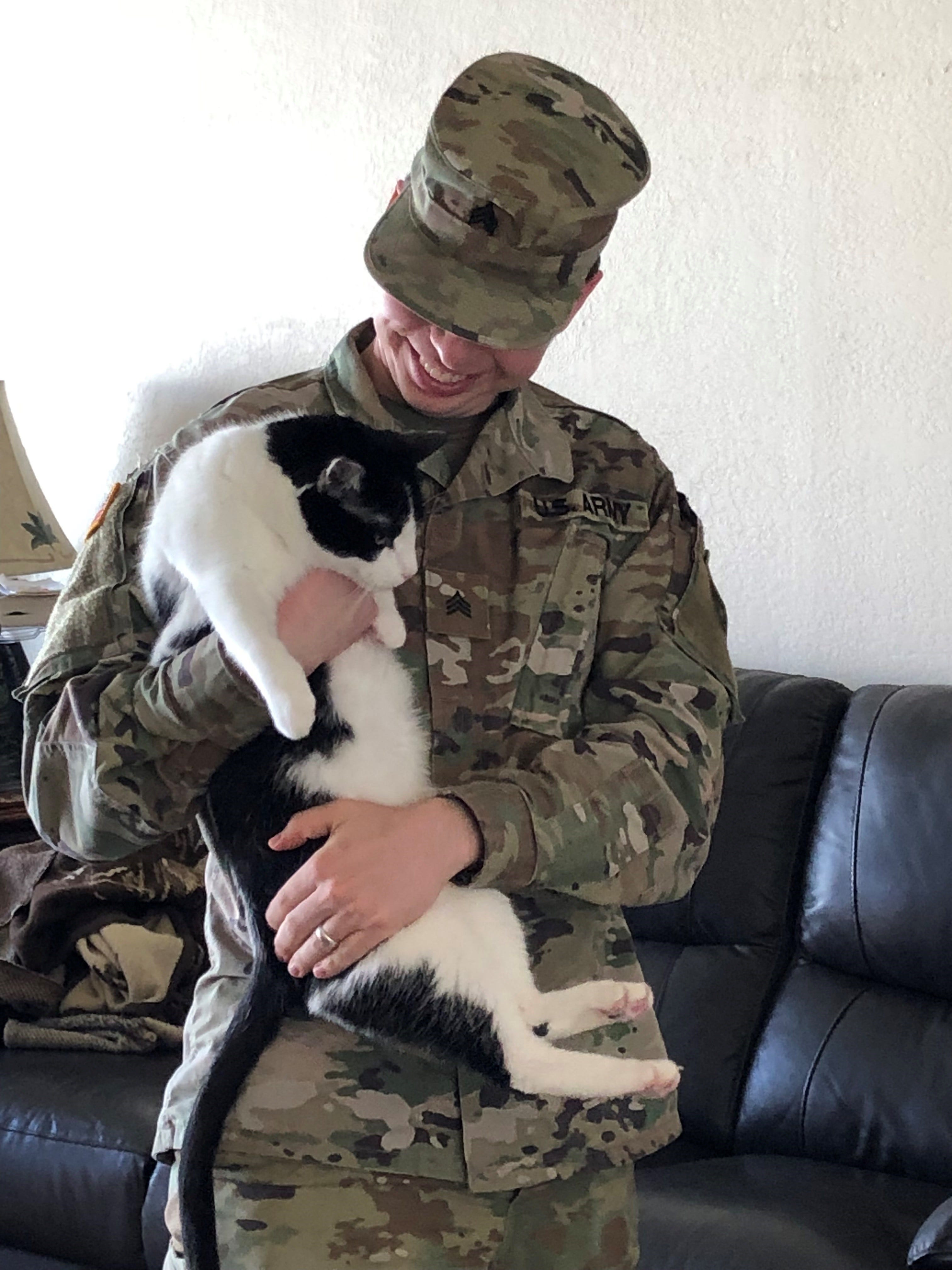
The process begins with applications from pet owners and prospective foster families. Operation Foster verifies veterinary records, conducts virtual home visits and matches pets with foster families based on the needs of both the animal and the household. Pets must be at least a year old, spayed/neutered and non-aggressive and non-destructive, Owners are required to pay for food, supplies and veterinary costs.
Operation Foster serves pet owners nationwide, but owners are responsible for arranging transportation to and from the foster home.
Foster families must complete an application and have experience with fostering the animal they choose to foster. A site-visit veterinarian check includes a home visit to ensure that the environment is safe and that all family members support fostering.
Operation Foster remains involved throughout the placement process, helping support pet owners and foster families. Pet owners continue to cover expenses such as food, grooming and veterinary care.
“There’s no reason why a temporary life challenge should result in a permanent separation between people and their pets,” Fetterman said. “At a time when many animal shelters are dealing with overcrowding and many veterans are struggle with housing, medical and mental health challenges, Operation Foster’s mission has never been more important.
As Operation Foster continues to seek volunteer foster families nationwide, the organization is seeking volunteers to assist with community outreach, awareness campaigns and donated pet-care services.
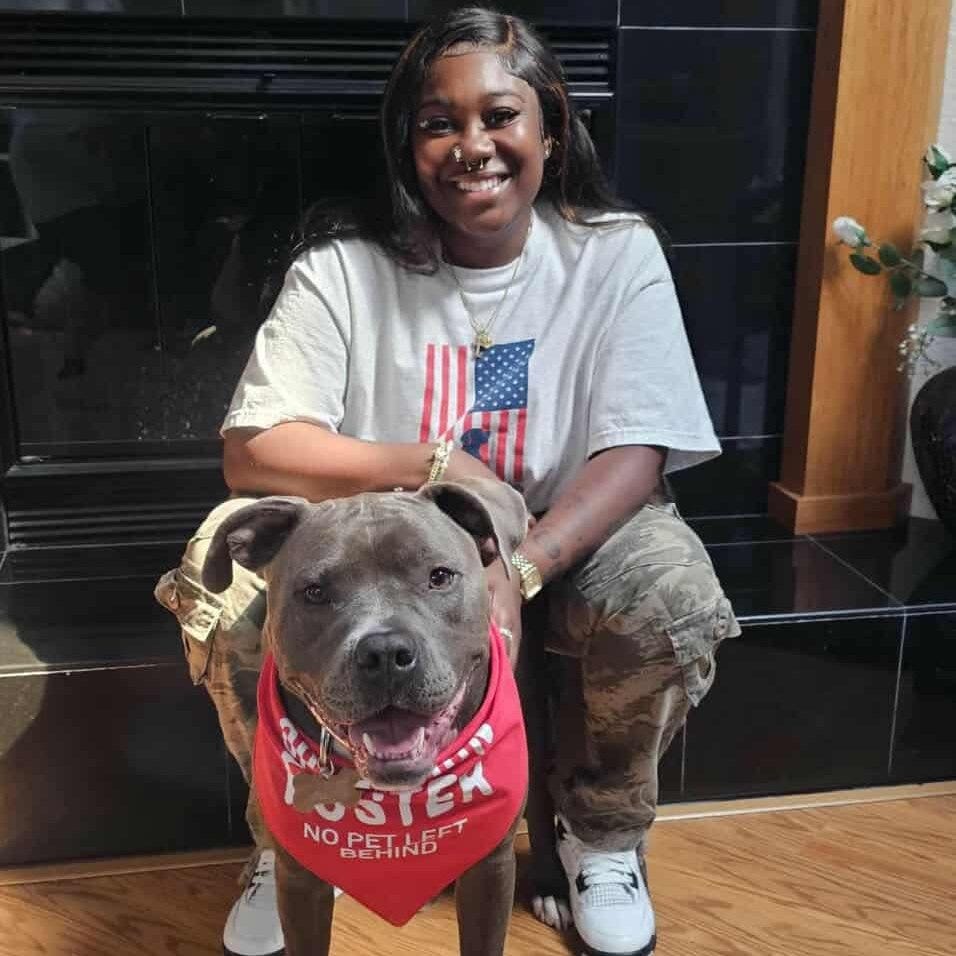
Operation Foster was recently dubbed a top winner by the 2026 Fisher Service Awards. The award, which included a $100,000 grant from the Fisher House Foundation and the Military Times Foundation, recognizes nonprofit organizations that improve the quality of life for service members, veterans and their families. Selected from 340 applicants nationwide, Operation Foster was honored for providing free, temporary foster care for pets belonging to active-duty service members, veterans and individuals undergoing medical treatment.
To date, Operation Foster has helped more than 3,500 pets and provided well over 100,000 safe nights of care in foster homes across all 50 states.
"Operation Foster's mission is rooted in the belief that no one should have to give up a beloved pet while seeking medical care or serving their country," she said.
This article originally appeared on St. Augustine Record: How military families can keep pets during long deployments
Source: Nature
